
What is Composite Bonding?
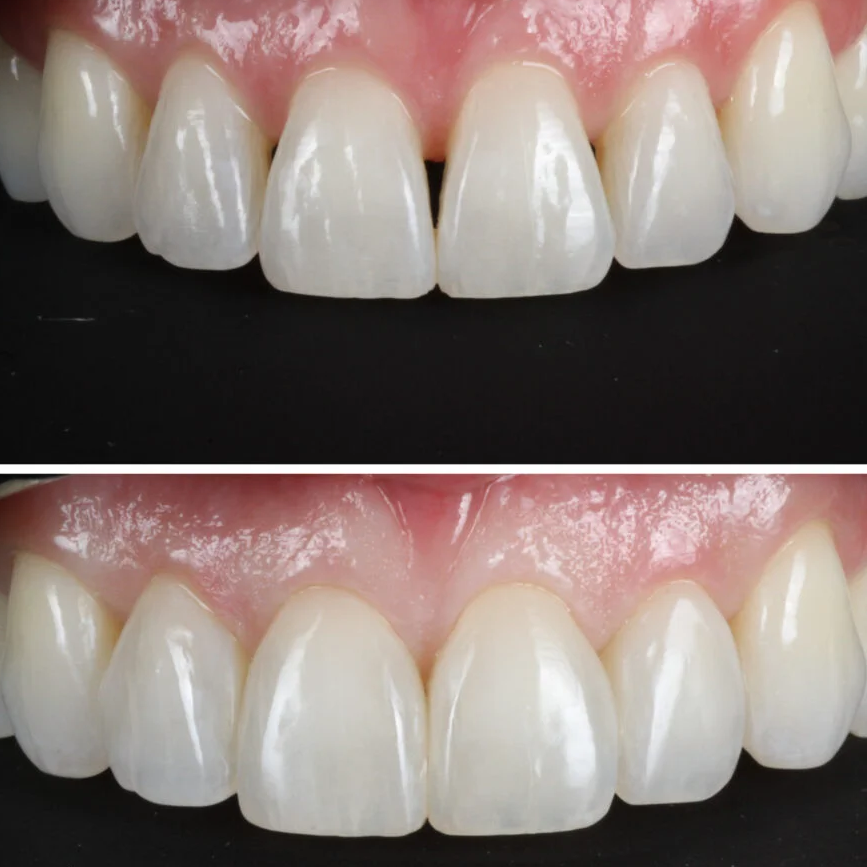
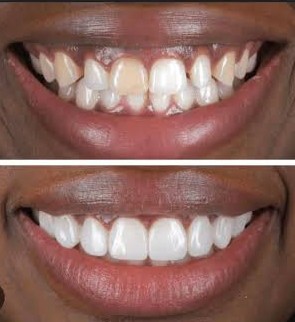
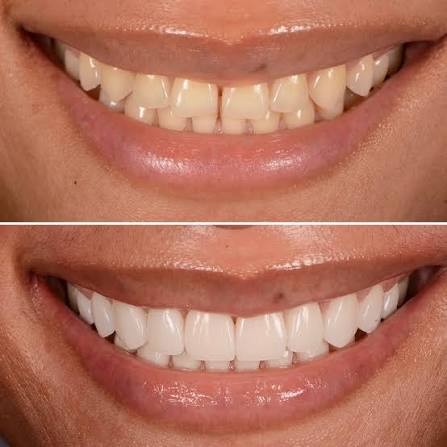
Composite bonding is an additive cosmetic dental treatment where a high-grade, shade-matched resin material is bonded directly to the natural tooth structure. It restores aesthetic balance, closes gaps, masks discolouration, and repairs chipped edges—typically completed in a single appointment without the need for dental laboratory manufacturing.
Clinical Indications
Composite bonding is indicated for mild to moderate cosmetic and functional dental concerns:
Chipped or Fractured Teeth
Restores broken incisal edges smoothly while preserving natural, healthy enamel.
Diastemas (Gaps)
Closes unwanted spaces between front teeth with seamless, natural-looking resin margins.
Worn or Short Teeth
Adds length and symmetry to microdontic teeth (such as peg laterals) or teeth worn down by attrition.
Deep Discolouration
Masks internal stains and enamel blemishes that do not respond effectively to standard whitening.
Minor Alignment Issues
Visually straightens slightly rotated or overlapping teeth without extensive orthodontic movement.
Incisal Edge Asymmetry
Harmonises uneven biting borders to match your smile arc and natural lip contours.
Tooth Preparation: How Much Tooth is Filed?
A central benefit of modern composite bonding is its additive, non-destructive nature:
- No Heavy Cutting: Unlike crowns or aggressive porcelain veneers, teeth are never shaved down into pegs. Natural tooth structure remains intact underneath.
- Micro-Mechanical Etching: Instead of burs cutting tooth structure, a 37% phosphoric acid gel creates microscopic porosity across the surface enamel so adhesive bonding agents can securely lock on.
- Marginal Beveling (Filing): In cases of chipped or overlapping enamel, a fraction of a millimetre (typically 0.2 mm to 0.5 mm) of outer surface enamel is lightly smoothed using fine-grit finishing burs or discs. This blends the boundary so margins become invisible.
- Needle-Free Treatment: Because work is restricted to the outer, non-innervated enamel shell, local anaesthetic injections are almost never required.
Clinical Tools & Materials Used
Isolation Tools
Rubber dams, retraction cord, and PTFE (Teflon) tape isolate each tooth from moisture, saliva, and crevicular fluid.
Conditioning & Bonding
Phosphoric acid etchant and dental adhesives create the hybrid micromechanical layer for secure resin retention.
Sculpting Instruments
Titanium-coated spatulas, IPC carvers, and fine sculpting brush tips shape composite freehand.
LED Curing Light
High-intensity light curing units polymerise and harden composite resin in 20–40 second cycles.
Finishing & Polishing
Fine-grit diamond burs, Sof-Lex discs, silicone rubber cups, and diamond polishing pastes deliver a lifelike enamel sheen.
Articulating Paper
Diagnostic bite paper checks static and dynamic occlusal contacts to ensure zero high spots on your bite.
Smile Design & Digital Smile Design (DSD)
Modern aesthetic bonding removes guesswork by planning your smile digitally before touching a tooth:
Facial Analysis & 3D Intraoral Scanning
High-resolution photographs and videos capture dynamic lip movements, speech phonetics, and facial symmetry. An intraoral scanner creates a precise 3D digital model of your teeth.
Digital Proportions & Smile Arc Simulation
Using DSD software, ideal tooth proportions (such as 75–80% width-to-height ratios) and smile curves are mapped to match your interpupillary line and facial midline.
The Intraoral Trial (“Test Drive”)
A 3D wax-up is printed and transferred to your mouth using a temporary resin template. You can see, feel, and evaluate the planned length, shape, and contours in your mouth before any permanent bonding begins.
Placement Techniques: Freehand vs. Injection Moulding
1. Freehand Layering Technique
The dentist applies composite resin directly to the tooth, building it in distinct layers. An opaque resin core blocks underlying dark stains, while translucent enamel shades on the surface replicate natural incisal light transmission and mamelon details.
Best suited for: Single-tooth repairs, individual chipped incisal edges, and localised cosmetic fixes.
2. The Flowable Injection Moulding Technique
This modern technique transfers the approved Digital Smile Design straight into the mouth with sub-millimetre precision:
- Clear Silicone Matrix: A transparent PVS matrix is produced directly from the 3D-printed digital design, complete with incisal injection channels (sprues).
- Alternate Tooth Isolation: Teeth are isolated alternately (e.g., teeth 1, 3, 5, followed by 2, 4, 6) using PTFE tape so teeth do not fuse together, preserving clean contact points and natural floss pathways.
- Controlled Resin Injection: High-strength, wear-resistant flowable resin is injected through the matrix channels to coat each tooth in the exact shape approved during digital planning.
- Trans-Matrix Curing: The curing light hardens the composite directly through the clear silicone matrix before the guide is removed and margins are refined.
Best suited for: Multi-tooth smile makeovers (6 to 10 front teeth), full-edge reconstructions, and cases demanding total fidelity to the digital smile trial.
Benefits & Risks Overview
Key Benefits
- Maximum Preservation: Healthy enamel remains completely protected and intact.
- Single Appointment: Completed in one clinical visit with immediate results.
- Fully Repairable: If chipped, composite can be quickly patched and repolished chairside.
- Predictable Outcomes: Digital Smile Design eliminates aesthetic guesswork.
- Cost Effective: Significantly less expensive than ceramic veneers or lab crowns.
Risks & Maintenance
- Surface Staining: Susceptible over time to pigments from black tea, coffee, red wine, and curry; requires periodic repolishing.
- Chipping Risks: Can chip when subjected to high shear forces (e.g., chewing ice, hard sweets, or nail biting).
- Bruxism Susceptibility: Nighttime clenchers/grinders require a custom nightguard to protect margins.
- Cannot Be Whitened: Must be shade-matched to stabilised, whitened teeth 2–3 weeks prior to placement.
- Lifespan: Typically averages 4 to 8 years before refurbishment or replacement is required.
What to Expect: Appointment Flow
Consultation & Digital Planning (30–45 Mins)
Comprehensive oral health check, 3D digital intraoral scan, clinical studio photos, and shade selection.
Trial Smile Approval (30 Mins)
Physical mock-up placed over teeth to confirm proportions, lip support, and aesthetic satisfaction.
Bonding Session (1 to 3 Hours)
Tooth isolation, surface micro-conditioning, freehand layering or injection moulding, and light curing.
Contouring & High-Gloss Polish (30 Mins)
Articulating paper checks your bite, followed by multi-stage disc and paste polishing to mirror natural enamel.
Transform Your Smile With Confidence
Speak directly with our clinical team or book online to begin your smile journey.