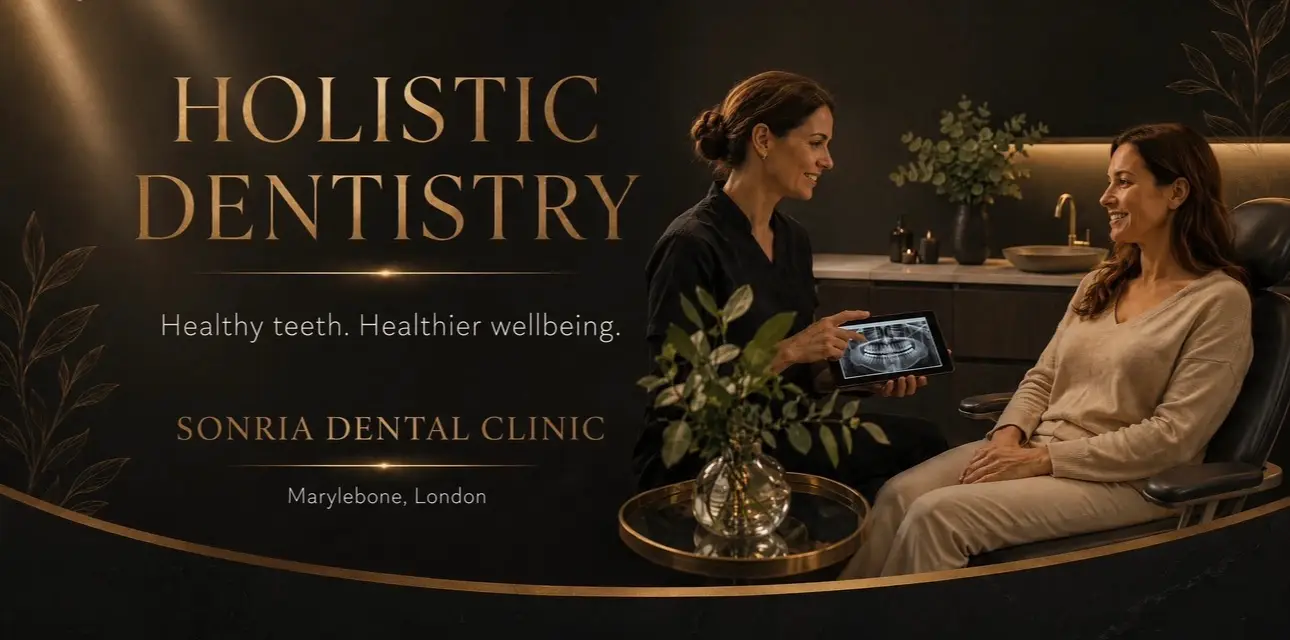
Sonria Denal Clinic , a holistic dentist Marylebone patients can trust does not view a tooth in isolation. A cracked molar, bleeding gums or persistent jaw tension may be the immediate concern, but the right plan also considers the habits, health history, comfort needs and aesthetic priorities that sit around it. The aim is not to promise that dentistry can solve every health concern. It is to provide thoughtful oral care that respects the connection between your mouth, confidence and general wellbeing.
For many people, this approach feels especially valuable when treatment is complex, anxiety has delayed appointments, or they want their dentistry to look as considered as it feels. It begins with listening carefully, then combining prevention, precise diagnosis and conservative treatment wherever clinically appropriate.
Holistic dentistry is sometimes presented as an alternative to conventional dental care. In a responsible private practice, it should be neither vague nor oppositional. It means applying sound clinical evidence while looking at the wider factors that affect oral health and the experience of treatment.
Your gums, teeth, bite and jaw joints are influenced by more than brushing technique. Diet, stress, sleep, smoking or vaping, acid reflux, some medicines, hormonal changes and conditions such as diabetes can all affect the mouth. Equally, pain from a damaged tooth can alter how you eat, speak and feel in social or professional situations.
A holistic approach brings those details into the conversation. It does not replace medical advice from your GP or specialist, and it should never encourage you to stop prescribed treatment. Instead, it helps your dental team plan safely, communicate with other clinicians where needed and give recommendations that fit real life.
The first appointment should feel unhurried and clear. Alongside an examination of the teeth and gums, a clinician may discuss previous dental experiences, sensitivity, clenching, sleep quality, dietary patterns, medication and any concerns about materials or procedures. For a nervous patient, agreeing how to pause, explaining each stage and allowing appropriate time can be as significant as the treatment itself.
Digital scans, photographs and targeted X-rays can reveal concerns that are not visible in a mirror, from early decay between teeth to bone levels around existing implants. The value of this technology is not simply speed. It supports accurate planning, lets you see what the clinician sees and can reduce the need for messy impressions in many cases.
There is no universal definition of a healthy, beautiful smile. One person may want to protect a naturally characterful appearance; another may be preparing for a major event and seeking a brighter, more balanced result. A personalised plan makes room for both, without pushing treatment that does not serve your goals.
The most holistic treatment is often the treatment you never need. Hygiene appointments, professional plaque removal, gum assessments and tailored home-care guidance help control the inflammation that can lead to bleeding, bad breath, recession and bone loss. If gum disease is present, it deserves focused care before cosmetic changes are considered.
Prevention also means understanding risk. Frequent acidic drinks, dry mouth, night-time grinding and old restorations with failing edges can quietly compromise otherwise healthy teeth. Small changes, such as fluoride support where suitable, a night guard for clenching or adjusted cleaning techniques, may preserve more natural tooth structure over time.
This is not a lecture about perfection. A useful plan identifies the changes likely to make a genuine difference, then makes them manageable.
Modern dentistry offers excellent ways to rebuild damaged teeth, but preserving healthy enamel and dentine remains a priority. If decay is detected early, a small restoration may be enough. If a tooth has been weakened by a large old filling or fracture, a carefully designed onlay or crown may offer durable protection while retaining more healthy structure than a more extensive option.
Cosmetic care benefits from the same restraint. Composite bonding can sometimes improve minor chips, shape discrepancies and small gaps with little or no removal of enamel. Porcelain veneers can create a highly refined, long-lasting change where colour, wear or proportion require more control. Neither is automatically the better choice. The right option depends on tooth position, bite forces, enamel quality, oral hygiene and the degree of change you want.
Whitening may be an appropriate first step before choosing veneers or bonding, particularly when the principal concern is tooth colour. It is also worth addressing gum health and sensitivity first, so the final result is comfortable as well as attractive.
Patients occasionally arrive with specific questions about dental materials. These deserve a calm, factual discussion. The suitability of a filling, crown, implant or adhesive depends on its clinical purpose, strength requirements, aesthetics, allergies or sensitivities, and the condition of the tooth or surrounding tissue.
A clinician should explain the benefits and limitations of recommended options, including cost and anticipated maintenance. For example, a highly aesthetic restoration may need careful bite protection, while a simpler repair may be easier to adjust but less resistant to staining or wear. Informed choice is central to high-quality care.
Holistic planning becomes particularly important when several issues overlap: worn teeth, missing teeth, gum disease, jaw discomfort or an unstable bite. Treating only the most visible tooth can be a short-term fix if the underlying forces remain unchanged.
A staged treatment plan may start with stabilising gum health and controlling infection, followed by precise endodontic treatment to retain a tooth where possible. Missing teeth can then be replaced with an implant, bridge or removable option according to bone volume, neighbouring teeth, health considerations and personal preference. Where an implant is appropriate but bone has reduced, procedures such as bone grafting or a sinus lift may be considered as part of a carefully planned reconstruction.
For some patients, clear aligners are used before restorative work to place teeth in more favourable positions. For others, a protective splint is advisable before final crowns or veneers. The sequence matters. It can protect the investment you make in your smile and reduce the likelihood of avoidable re-treatment.
At Sonria Dental Clinic, complex restorative, surgical, orthodontic and aesthetic care can be coordinated in one discreet Marylebone setting. That continuity allows each stage to be planned with the final outcome in mind, while keeping communication straightforward for the patient.
A fear of dentistry is rarely irrational. It may stem from a difficult experience, embarrassment about having avoided care, a strong gag reflex or simply not knowing what will happen next. A genuinely patient-centred practice responds without judgement.
Comfort can involve topical numbing gel, carefully administered local anaesthetic, regular check-ins, breaks and a clear explanation of sensations to expect. Advanced techniques also matter. Digital planning can make treatment more predictable, while modern root canal procedures and minimally invasive approaches can help preserve tissue and manage discomfort effectively.
If you have a medical condition, take blood-thinning medication, are pregnant, or have experienced complications with dental treatment before, mention it from the outset. The safest plan is one tailored to the full clinical picture, not a standard pathway.
Good care should leave you feeling informed rather than persuaded. Ask what is causing the problem, what happens if you wait, and whether there are conservative alternatives. You may also want to know how long the result is expected to last, what maintenance it requires and what future costs could arise.
For larger treatment plans, ask to see the stages in writing. A well-designed plan sets out priorities, timings, fees and any choices available to you. It should also explain uncertainties honestly. Dentistry can be highly predictable, but biological healing, grinding forces and individual gum response mean that no ethical clinician should promise identical outcomes for everyone.
The value of holistic dentistry is not a particular label or a catalogue of treatments. It is the confidence that decisions are being made with your long-term oral health, comfort and preferences in view. Whether you need a hygiene review, a subtle cosmetic refresh or comprehensive rehabilitation, the most reassuring next step is a consultation where you can be heard, examined thoroughly and given clear options without pressure.
A healthy smile should feel natural to live with: comfortable at breakfast, confident in a meeting and easy to maintain long after the appointment has ended.
Sonria Dental Clinic, 25 Devonshire Place
London W1G 6JD
020 7224 1402 - General Enquiries
07507689112 - Emergencies
Email: info@sonriadentalclinic.com
| Monday to Friday | 8.00 am – 6.00 pm |
| Saturday | 9.00 am – 2.00 pm |
| Sunday | Closed |
For Dental Professionals Only