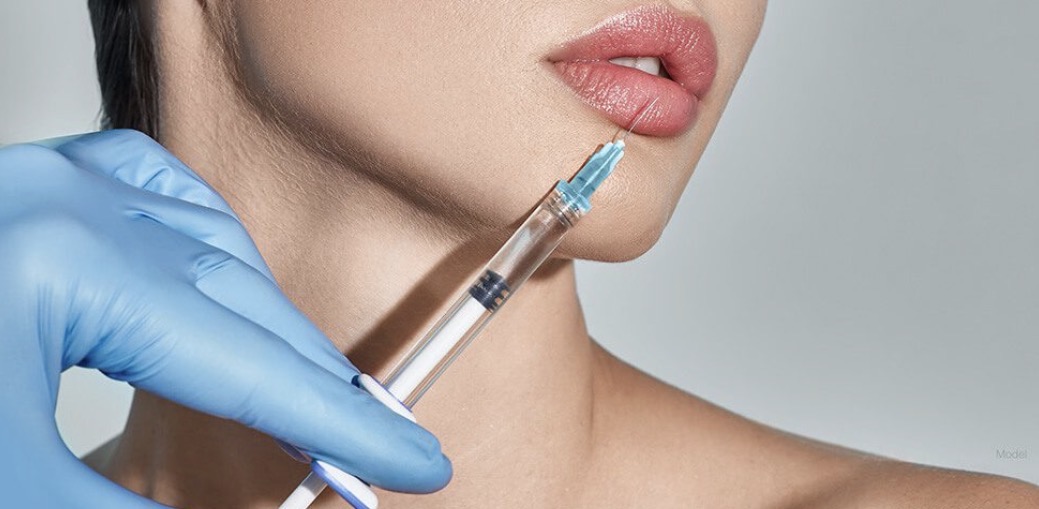
A well-placed filler treatment should not announce itself before you do. For patients considering dermal fillers Marylebone, the aim is often not to look different, but to look rested, balanced and more like themselves – particularly in photographs, meetings and the small everyday moments where confidence matters.
Dermal fillers can restore volume that has gradually reduced with age, soften selected facial lines and refine proportions around the lips, cheeks, chin and jaw. Yet the product is only one part of the outcome. The quality of the assessment, the practitioner’s understanding of facial anatomy and the restraint applied to every decision are what make treatment feel considered rather than conspicuous.
Most modern dermal fillers are made with hyaluronic acid, a substance found naturally in the skin. When used with precision, it can attract moisture and provide support in areas where the face has lost structure or definition. Depending on the treatment plan, fillers may be used to restore cheek contour, support the mid-face, define the chin or jawline, or create subtle lip hydration and shape.
The right treatment is not always the most obvious one. A concern about lines around the mouth, for example, may be better addressed by gentle support in the cheeks or chin than by repeatedly filling the line itself. This broader assessment helps retain movement and proportion, rather than treating each feature in isolation.
Fillers do have limits. They cannot improve every form of skin laxity, replace the effects of surgery where significant tissue descent is present, or resolve a concern caused by muscle movement alone. In those circumstances, a different treatment, a staged approach or no injectable treatment at all may be the more appropriate recommendation.
There is no universally flattering lip shape, cheek contour or jawline. Faces differ in their bone structure, skin quality, ethnicity, expressions and the way they age. A thoughtful consultation begins with what you see and feel when you look in the mirror, then considers what can be achieved safely and proportionately.
At Sonria Dental Clinic, facial aesthetics is approached with the same care given to a tailored smile plan: by looking at balance as a whole. The relationship between the lips, lower face, teeth and smile can be especially relevant. For someone considering cosmetic dentistry, subtle facial treatment may sometimes complement a renewed smile. Equally, treatment should never be suggested simply because it is available.
Your consultation should include a discussion of medical history, previous aesthetic treatments, allergies, medicines and expectations. Clear photographs may be used for planning and comparison, with discretion at every stage. You should also be able to discuss whether you prefer a visible change or a gradual, barely-there enhancement.
Convenience matters when arranging treatments around a demanding Central London schedule, but it should not be the deciding factor. Injectable treatments require clinical judgement, detailed anatomical knowledge and appropriate protocols for managing complications. A refined setting and reassuring manner are valuable, but safety must sit underneath both.
A responsible practitioner will explain the proposed product, placement and likely longevity, as well as the limitations of treatment. Hyaluronic acid filler can often be dissolved if clinically necessary, but this does not make it risk-free or something to approach casually.
It is sensible to ask who will carry out your treatment, what experience they have with the area you wish to treat and what support is available if you have concerns afterwards. Avoid choosing solely on a promotional price or a dramatic before-and-after image. Facial fillers are not a commodity, and an overly aggressive result can be harder, more costly and more emotionally difficult to correct than a conservative first treatment.
For patients new to fillers, starting modestly is often the most elegant option. Volume can usually be added later if needed; removing excess treatment is a different process altogether. A conservative plan gives you time to see how the result settles and whether it feels true to your face.
This matters particularly in areas with fine margins for balance, such as the lips and tear trough. The latter is not suitable for everyone and requires especially careful assessment because swelling, skin quality and existing under-eye bags can influence the result. Sometimes skincare, regenerative treatment or a referral for another approach will be more appropriate.
After agreeing a plan, the skin is cleansed and treatment points are carefully marked where appropriate. Many fillers contain a local anaesthetic, and additional numbing cream may be used for sensitive areas such as the lips. The product may be placed with a fine needle or a cannula, depending on the area and clinical technique.
Treatment itself can be relatively quick, but it should never feel rushed. Your practitioner may pause to assess symmetry, tissue response and the way the face looks at rest and in expression. Mild pressure or a brief pinching sensation is common, although comfort measures can help make the experience more relaxed.
You may see a change immediately. However, the final appearance should be judged after initial swelling has settled. This can take several days, and occasionally longer in more delicate areas. A review appointment may be advised depending on the treatment plan.
Most people return to normal activities on the same day, though it is wise to allow for possible redness, tenderness or swelling. Bruising can occur, even with excellent technique, so avoid booking immediately before a wedding, important presentation or holiday. If you have a significant occasion, arranging treatment two to four weeks beforehand gives a more comfortable margin.
For the first day, follow your clinician’s personalised aftercare advice. This commonly includes avoiding strenuous exercise, excessive heat, alcohol and unnecessary pressure on the treated area. Do not massage or manipulate the area unless you have been specifically instructed to do so.
Mild swelling and small areas of bruising are usually temporary. However, increasing pain, unusual discolouration, a cold or pale area of skin, visual disturbance or any symptom that concerns you should be treated as urgent. Contact the clinic immediately rather than waiting to see if it improves. Safe aesthetics depends not only on skilled treatment, but on responsive aftercare.
Longevity varies considerably. The area treated, product used, your metabolism, facial movement and the amount placed all influence how long a result remains visible. Lip filler may require review sooner than filler placed for structural cheek or chin support. For many patients, results last between several months and around a year or longer, but this is an estimate rather than a promise.
Regular treatment should be led by how your face looks and feels, not by a fixed calendar. Reassessing rather than automatically topping up can help avoid gradual overfilling. A beautiful result should preserve the character of your face, including the expressions that make it recognisably yours.
The appeal of dermal fillers lies in their versatility, but the best outcomes are guided by discernment. You may benefit from a small amount of carefully placed support, a phased plan, or an honest recommendation to leave an area untouched. That level of judgement is part of premium care.
If you are considering dermal fillers, choose a consultation where your concerns are heard without pressure and your safety is never secondary to a trend. A considered plan can make room for freshness, definition and confidence while still allowing you to look entirely like yourself.
Sonria Dental Clinic, 25 Devonshire Place
London W1G 6JD
020 7224 1402 - General Enquiries
07507689112 - Emergencies
Email: info@sonriadentalclinic.com
| Monday to Friday | 8.00 am – 6.00 pm |
| Saturday | 9.00 am – 2.00 pm |
| Sunday | Closed |
For Dental Professionals Only