An apisectomy will be performed in some instances, an abscess may become chronic, and a cyst can develop, which can destroy the surrounding bone. When Root canal treatment service, if successful, will usually solve the problem of abscesses.
An apisectomy is an endodontic surgical procedure that sees a tooth’s root tip being removed, a root end cavity being prepared and filled with biocompatible material, and removing any infected tissue from around the tip.
The aim of an apisectomy is to contain any bacteria that may be remaining totally within the canal system. This procedure would only be attempted after a traditional root canal has failed and because of the difficulty in accessing the tips of the roots it is generally only done on the anterior (front) teeth and by a specialist endodontist.
Reported success rates for apicoectomy vary widely. However, findings published in 2010 indicated an overall success rate of 85-95% for surgical endodontic treatment. There are many factors that will affect the likelihood of success of apicoectomy. If performed correctly, it can be highly successful in preventing loss of teeth, which would otherwise be extracted.

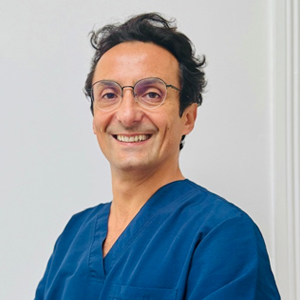
Specialist Oral Surgeon
Languages Spoken: English, Spanish, Italian


“I’m a highly trained oral surgeon with a strong commitment to providing high-quality, pain-free treatment to all my patients.”
Queen Victoria Hospital
Associate Specialist Oral and Maxillofacial surgery
University College London
Associate Clinical Lecturer
I am a highly trained oral surgeon with a strong commitment to providing high-quality, pain-free treatment to all my patients. Having worked with a diverse range of individuals, I have developed excellent communication skills and excel at putting patients at ease and clearly explaining procedures, expected outcomes and post-treatment follow-up needs. I have extensive experience performing oral surgery and oral medicine, including difficult extractions, dental implants, restorations and bone augmentation procedures. In addition, I am adept at diagnosing and managing treatment of infective, premalignant and immunological oral diseases.
Throughout my career, I have trained and mentored numerous dental students, new dentists and other clinical and non-clinical staff. This includes lecturing and teaching university and continuing education courses in oral medicine as well as assessing progress and providing individualised support to assist students and colleagues in learning new techniques and procedures.
Sonria Dental Clinic, 25 Devonshire Place
London W1G 6JD
020 7224 1402 - General Enquiries
07507689112 - Emergencies
Email: info@sonriadentalclinic.com
| Monday to Friday | 8.00 am – 6.00 pm |
| Saturday | 9.00 am – 2.00 pm |
| Sunday | Closed |
For Dental Professionals Only