A missing tooth can change far more than a photograph. It may affect how comfortably you eat, how clearly you speak, and whether you instinctively cover your smile in conversation. When weighing up dental implants versus dentures, the right answer is rarely a simple matter of choosing the most advanced option. It is about finding a solution that respects your health, lifestyle, priorities and confidence.
Both treatments can restore appearance and function beautifully when they are planned well. The differences lie in how they are supported, the treatment journey they require, their long-term maintenance and the feeling they offer day to day.
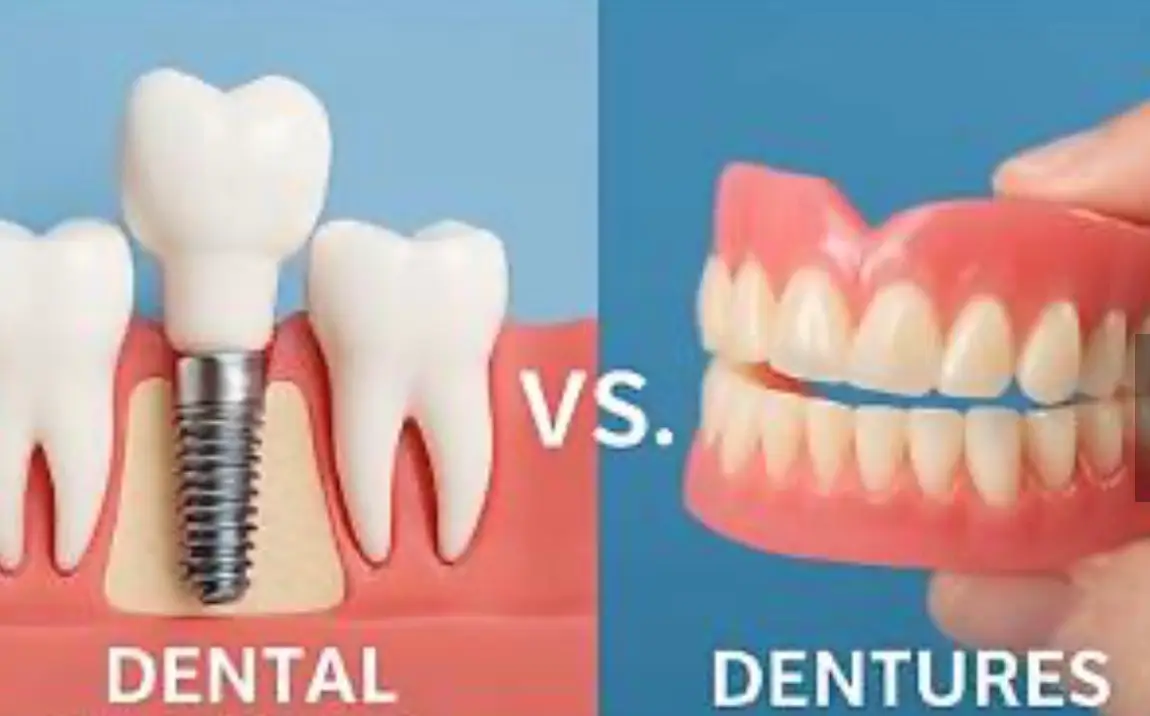
A dental implant is a small titanium post placed into the jawbone to replace a missing tooth root. Once the implant has integrated with the bone, it can support a crown, bridge or a full arch of fixed teeth. This creates a restoration that is secure, stable and designed to function much like natural teeth.
Dentures are removable prosthetic teeth. They may replace a few teeth or an entire upper or lower arch, and they sit on the gums. Modern dentures can look highly natural and are made with careful attention to facial support, tooth shade and bite. They do not, however, replace the root beneath the gumline.
There is also a valuable middle ground. Implant-retained dentures use a small number of implants to hold a removable denture firmly in position. For many people, this offers a meaningful improvement in stability without the investment or clinical requirements of a fixed full-arch implant bridge.
For patients who want teeth that feel closest to their own, implants are often the preferred choice. Because they are fixed in place, there is no need to remove them at night or use adhesive. You can usually eat, talk and smile without worrying that the teeth will shift. A single implant crown is cleaned much like a natural tooth, while a fixed full-arch bridge needs a tailored cleaning routine around and beneath the restoration.
Dentures can be an excellent, non-surgical solution, particularly where several teeth are missing or a patient needs to restore their smile promptly. Yet even well-made full dentures may move slightly, especially in the lower jaw, where there is less surface area for suction. Certain foods can feel more challenging, and an adjustment period is normal while the tongue, cheeks and facial muscles adapt.
Comfort is personal. Some patients value the lightness and removability of a denture, while others find that a fixed implant restoration brings a renewed sense of ease. Neither preference is wrong. A consultation should make space for how you want your teeth to feel, not merely how they look on a scan.
One of the most significant distinctions is what happens beneath the surface. After a tooth is lost, the jawbone in that area gradually reduces because it no longer receives stimulation from the tooth root. Over time, this can alter the fit of a denture and may contribute to a more sunken facial appearance.
Implants transfer chewing forces into the jawbone, helping to preserve bone in the area around them. They cannot reverse every change caused by previous tooth loss, but they are the only tooth-replacement option that provides this root-like stimulation.
Dentures rest on the gum and do not prevent this natural remodelling of the jaw. This does not make them unsuitable, but it does mean they may need relining, adjustment or replacement over the years as the mouth changes. Where bone has already reduced significantly, implant treatment may still be possible with careful planning, including bone grafting, sinus lifting or the use of strategically placed implants. These decisions require detailed clinical assessment rather than assumptions based on age or appearance alone.
Dentures are generally the quicker route to replacing missing teeth. In some cases, an immediate denture can be fitted on the day teeth are removed, so you are not left without teeth during healing. A definitive denture is usually made once the gums and underlying bone have settled.
Implant treatment involves a surgical stage and a period of healing while the implant integrates with the bone. The timescale varies according to the number of teeth being replaced, bone quality, gum health and whether grafting is required. Some patients are suitable for immediate implant placement and provisional teeth on the same day, while others benefit from a more staged approach that prioritises predictable healing.
The word surgery can understandably cause concern, particularly if you have avoided dental treatment in the past. Implant placement is usually planned with precise digital imaging and performed under effective local anaesthetic. Sedation may also be appropriate for nervous patients or more extensive treatment. Most people describe recovery as manageable, with temporary tenderness and swelling rather than severe pain.
Dentures usually have a lower initial cost than implants. This can make them an appropriate choice where budget, medical history or time constraints make implant treatment less suitable. They also avoid surgical treatment.
Implants involve a greater initial investment because planning, surgical placement, laboratory work and the final restoration are all highly individualised. However, a well-maintained implant restoration can provide long-term stability and may reduce the repeated adjustment needs associated with removable dentures. The final cost should be considered alongside expected maintenance, longevity and the value you place on fixed teeth.
It is wise to be cautious about comparing treatment plans only by headline price. The quality of diagnostic planning, the materials used, the experience of the clinical team and the provision for aftercare all influence the outcome. Transparent discussions about fees, stages of treatment and future maintenance help you make a decision with clarity.
Implants are often suitable for healthy adults with good gum health and sufficient bone, but suitability is broader than many people expect. Age alone is not a barrier. What matters more is general health, oral hygiene, smoking status, medications, bite forces and the condition of the jawbone.
Patients with active gum disease will usually need this stabilised before implant placement. People who clench or grind their teeth may still have implants, but they may require bite protection to safeguard the restoration. Medical conditions do not automatically rule out treatment, though they can affect planning and healing. A thorough medical and dental assessment is essential.
For a single missing tooth, an implant can prevent neighbouring healthy teeth from being cut down for a conventional bridge. For multiple missing teeth, implant bridges or full-arch solutions can offer exceptional security. At Sonria Dental Clinic, complex cases can be planned under one roof, combining digital assessment with restorative and surgical expertise where appropriate.
Dentures are not a lesser option. They can be the right clinical and personal choice for many patients. They may suit someone who does not wish to undergo surgery, needs a more affordable initial solution, has health considerations that make surgical treatment inadvisable, or wants a reversible approach.
A carefully designed denture can restore lip support, improve the appearance of worn or missing teeth and make meals more enjoyable. For some patients, dentures are also a sensible first stage while gums heal or while they consider implant treatment later. If movement is the principal concern, implant-retained dentures can offer a practical compromise: the denture remains removable for cleaning, but it clicks securely onto implants.
Both options need consistent care. Implant teeth cannot decay, but the gums and bone around them can become inflamed if plaque is allowed to build up. This condition, known as peri-implant disease, can threaten the long-term health of an implant. Daily cleaning, professional hygiene care and regular reviews are central to protecting your investment.
Dentures should be removed and cleaned daily, while the gums, tongue and any remaining natural teeth also need attention. Leaving dentures in overnight is not usually recommended, as the tissues benefit from a rest. Regular checks matter because fit, bite and oral tissues can change gradually.
The most useful question is not, “Which option is best?” It is, “Which option best supports my health and the life I want to lead?” A detailed consultation should assess your mouth, discuss your expectations and explain every realistic route without pressure.
Whether you choose a carefully crafted denture, a stabilising implant-retained solution or fixed implant teeth, the aim is the same: to eat, speak and smile with greater comfort and confidence. The right plan should feel considered, calm and entirely your own.
Sonria Dental Clinic, 25 Devonshire Place
London W1G 6JD
020 7224 1402 - General Enquiries
07507689112 - Emergencies
Email: info@sonriadentalclinic.com
| Monday to Friday | 8.00 am – 6.00 pm |
| Saturday | 9.00 am – 2.00 pm |
| Sunday | Closed |
For Dental Professionals Only