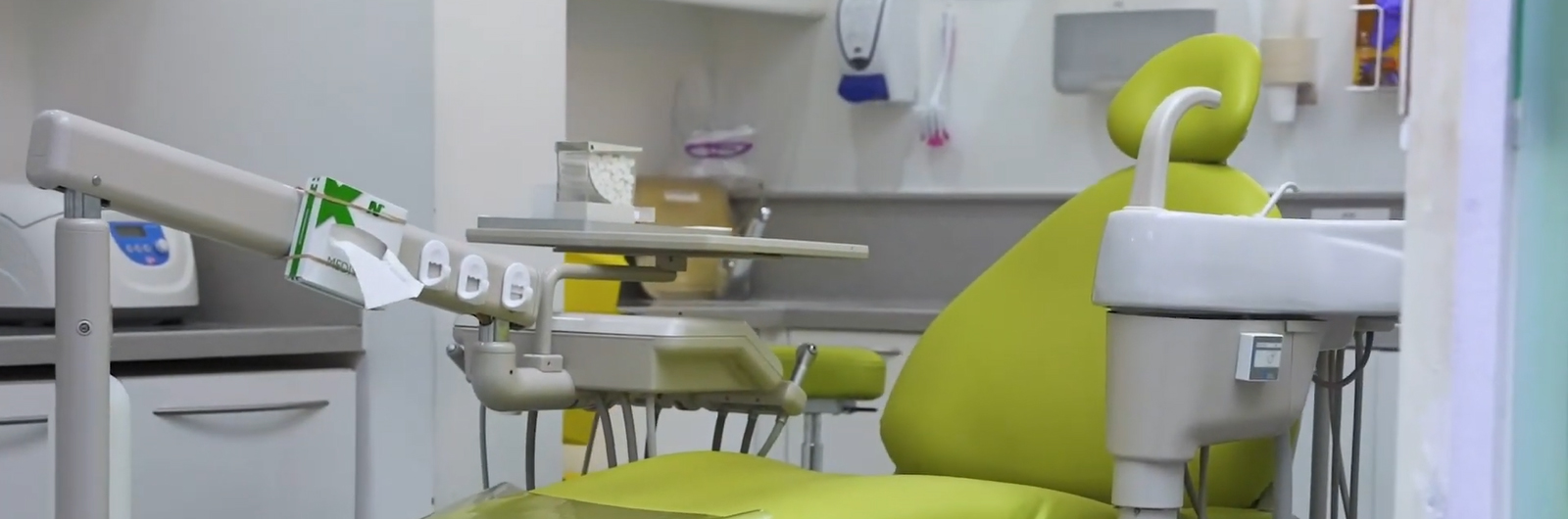
When you lose gum tissue to periodontal (gum) disease, the gumline recedes, making the teeth appear longer. If there is sufficient bone volume but insufficient soft tissue volume, a Soft tissue grafting procedure is performed to prevent or correct recession or to enhance the soft tissue volume in a dental implant site.
Three different types of gum Soft tissue grafting are typically performed. Which type we use on you will depend on your specific needs. The graft procedures include:

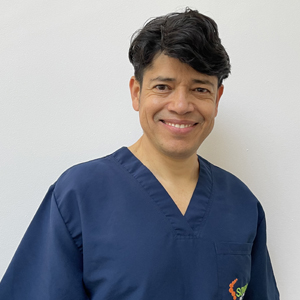
General Dental Practitioner with Special Interest in Periodontics
GDC No. 222870
Languages Spoken: English, Spanish


“The patient’s needs are truly a priority. We deliver personalised services of the highest quality.”
I studied Prosthodontics, Periodontics and implant dentistry. I have worked for more than fifteen years in Periodontics and implantology focusing on saving natural teeth and replacement using the latest technology and treatments.
My passion is knowledge. Keeping up to update with the latest technologies and treatment techniques leads me to study both in England and outside for the necessary learning to provide the best for my patients.
On the other hand, meditation, yoga and different sports allow me to maintain a healthy lifestyle through mind-body harmony.
Serving and giving my best to the patients embodied in the understanding of biology is what I absolutely love about dentistry. The patients for whom I have the most empathy is those who arrive when they have no hope of keeping their natural teeth and complex cases regarding bone regeneration and dental implants.
Sonria is a clinic where the patient’s needs are truly a priority. The team are focused on delivering personalised services of the highest quality to patients.
I speak Spanish and English.
See out bone grafts service also.

Sonria Dental Clinic, 25 Devonshire Place
London W1G 6JD
020 7224 1402 - General Enquiries
07507689112 - Emergencies
Email: info@sonriadentalclinic.com
| Monday to Friday | 8.00 am – 6.00 pm |
| Saturday | 9.00 am – 2.00 pm |
| Sunday | Closed |
For Dental Professionals Only